By Jeff Lazerson | jlazerson@mortgagegrader.com | MortgageGrader.com | July 27, 2026
Article originally posted in Orange County Register on July 23, 2026
Hands down, readers ask me more questions about reverse mortgages than any other topic.
So, today I am going to answer the most important and common questions regarding reverse mortgages.
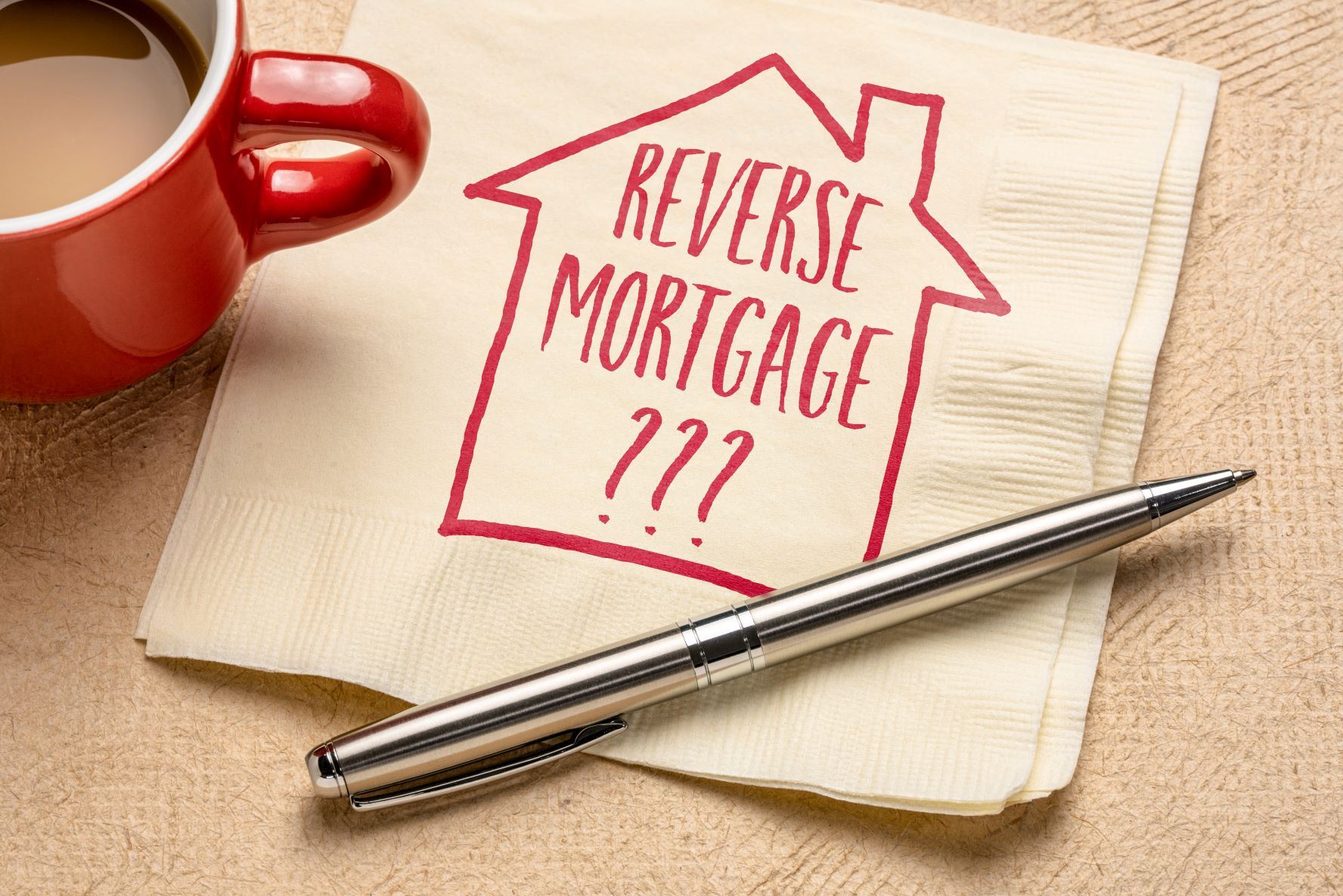
First, here’s a brief explanation of exactly what a reverse mortgage is:
A reverse mortgage or a home equity conversion mortgage (HECM) is a special home loan program designed with seniors in mind. It allows the homeowner to buy or refinance a property with no future payments. Interest and, in some cases, mortgage insurance is added to the mortgage balance each month. This is called negative amortization.
Borrowers are additionally required to pay homeowners insurance, property tax and maintain their home.
There is no term on the loan. The loan must be paid back when the borrowers move out or die.
Q. How do I know I might need a reverse mortgage?
A. That’s a big question requiring a lot of analysis.
Key indicators are you have more money outgoing each month to pay bills and living expenses than you have income. Sooner or later, you are going to run out of cash.
You don’t have other assets to tap besides your home equity. You don’t have loved ones to fall back on financially. You can’t qualify for any other loan products due to an income shortage.
You are better off keeping your home without a house payment than selling and paying rent.
Please note: A reverse mortgage should be considered the loan of last resort due to its substantial closing costs and high interest rates.
Q. Do my spouse and I both need to be at least 62 to qualify for a reverse mortgage?
A. No. The FHA HECM mortgage requires at least one spouse to be age 62 or older. If at least one of you is at least 55 years old, you can qualify for a non-FHA reverse mortgage.
Q. If my spouse is younger than 62 years old, can my spouse stay in the home for the rest of his/her life if I die first?
A. Yes. When the non-borrowing spouse’s age is used in the actuary table equity calculation, the spouse may stay for the remainder of his or her life so long as the property is maintained, and taxes and insurance are paid. This only applies to the FHA reverse mortgage, not the non-FHA reverse mortgage.
Q. What is the maximum recognized appraised value (claim amount) and loan amount for an FHA reverse mortgage and a non-FHA reverse mortgage?
A. FHA maximum value is $1,249,125, and the non-FHA value is $10 million. The FHA maximum loan amount is based on an actuary table (date of birth of the youngest spouse). The non-FHA reverse mortgage maximum loan amount is $4 million.
Q. Can I keep my reverse mortgage if I must move out to go into assisted living?
A. If you move out for more than 12 consecutive months, the reverse mortgage must be paid off.
Q. I have a 3% interest rate on my first mortgage that I don’t want to give up. Are reverse second mortgages available offering no payments?
A. Yes
Q. After I die, can my heirs take over the property, or do they have to sell it?
A. Your heirs must pay the FHA reverse mortgage back within 12 months after your death. They can keep the property.
Q. Are my heirs responsible for paying off any negative balance from my reverse mortgage? For example, let’s say the home is worth $750,000 when I die, but the negative amortization accrued to a balance of $800,000.
A. Your heirs do not inherit personal liability. They are not responsible for any negative loan balance.
HUD rules dictate that the lender can accept 95% of the sales price. The other 5% is used for settlement charges. In your example, if the home sold for $750,000, the lender would receive $712,500. The other 5% or $37,500 would be used to pay the real estate agent and other settlement charges. The difference owed of $50,000 would be forgiven.
Q. My elderly parent has a reverse mortgage. Since I am over 62 years old, can I assume the reverse mortgage when my parent passes?
A. No. But you can apply for a new reverse mortgage.
Q. Why are the closing costs for an FHA reverse mortgage so expensive?
A. Besides regular closing costs, FHA requires a borrower to pay 2% of the maximum claim amount for upfront mortgage insurance. For example, if your property is worth $1 million, you would be charged $20,000 in upfront mortgage insurance
Q. What is the best thing about getting an FHA reverse mortgage?
A. You can live in your home for the rest of your life without making another house payment.
Q. What is the worst thing about an FHA reverse mortgage?
A. Equity erosion. Because you are not making a mortgage payment, the monthly principal and interest charged gets lopped onto your loan balance, called negative amortization. While you benefit by not having a house payment, your heir’s inheritance will shrink as the loan balance rises.
Q. Is there always an age requirement for a reverse type mortgage without a required payment?
A. Yes. Although there is a loan program you can seek as a first or second mortgage that requires a small partial payment with no age limitations. The loan balance also goes up on this program in the form of negative amortization. It’s very easy to qualify for.
Q. Is there such a thing as a reverse mortgage line of credit?
A. Yes. You can choose a line of credit option as part of a reverse mortgage. There are no monthly payments. The unused portion of the line of credit automatically increases each month.
Jeff Lazerson, president of Mortgage Grader, can be reached at 949-322-8640 or jlazerson@mortgagegrader.com. His website is www.mortgagegrader.com.
If you enjoyed this article and want to receive weekly mortgage news for FREE, sign up for the newsletter HERE.
